By Errol Bull, P.E., CSI, Application Development Leader at Momentive Performance Materials Inc. Member: IIBEC, ASTM C24, ISO TC59/SC8
When it comes to protecting roofs, the right coating makes a huge difference. The building envelope’s ability to keep out water, resist UV damage and withstand seasonal expansion and contraction can be the difference between a roof that lasts decades and one that needs constant maintenance.
But how do you know which sealant and coating chemistries will still be performing in 20, 30, or even 40 years from now?
That’s the question GE Silicones (now Momentive Performance Materials) set out to answer back in 1983 when they launched a real-world durability study that’s now one of the longest-running weathering tests of its kind. The results, updated every decade since, give architects, contractors and building owners scientific proof of how different construction sealant chemistries perform over time.
These findings offer invaluable insight into which chemistries truly stand the test of time, helping to improve the long-term resilience of roof systems.
Why Long-Term Testing Matters in Roofing
Roof coatings don’t get replaced every year – or at least they shouldn’t! Once applied, they’re expected to endure decades of punishing conditions spanning:
- UV radiation, which can break down organic materials.
- Thermal cycling causes expansion and contraction day after day.
- Moisture from rain, snow and humidity can infiltrate cracks and cause leaks.
While accelerated lab testing can simulate some of these effects, nothing matches the insight of actual outdoor exposure over decades. That’s exactly what Momentive’s study captures – real data from challenging real-world conditions.
The Landmark Weathering Test
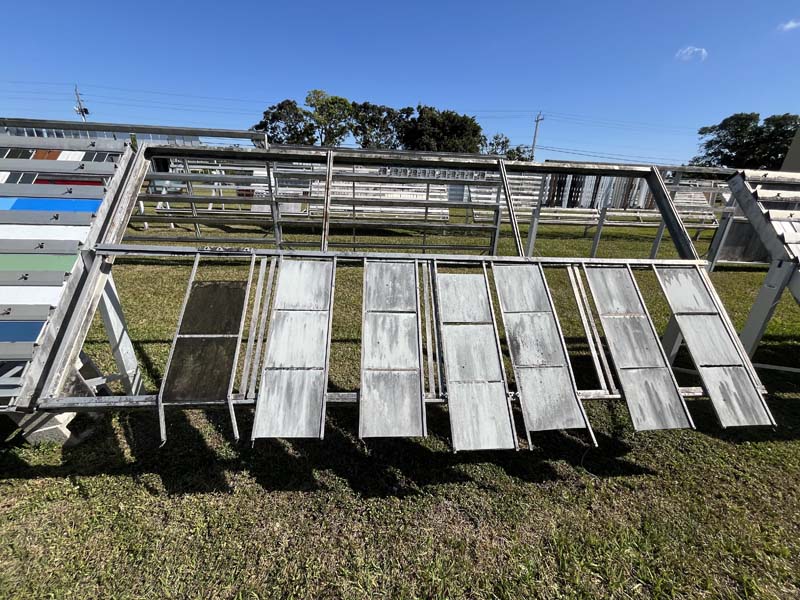
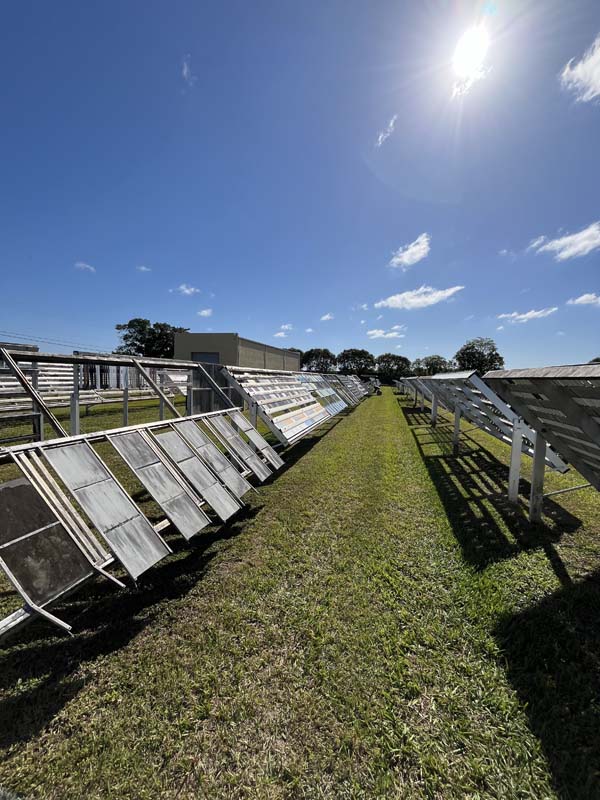
The outdoor weathering test was launched at the Atlas Weathering Test Facility in South Florida in 1983. With year-round high humidity, salt-laden coastal air, intense UV exposure and seasonal tropical storms, the environment is an excellent testing ground for sealants and coatings as they have to take on a harsh sub-tropical climate. The site is also the first approved Test facility for the Cool Roof Rating Council’s Product Rating System.
Thirteen commercially available sealants were applied, nine of which are still commercially available, to panels made of painted aluminum and glass, then mounted at a 45° angle facing south. No maintenance was performed over the entire study period.
The sealants represented three major chemistries:
- Silicone (various formulations, including acetoxy, alkoxy, and acetoamide)
- Polyurethane (single- and two-part)
- Acrylic terpolymer
The site was inspected at 22, 30 and 41 years, with the sealants tested for:
- Adhesion and cohesion (bond strength and internal integrity).
- Flexibility and elastic recovery (ability to stretch and return to shape).
- Toughness and hardness changes (resistance to gouging and environmental stiffening).
- Surface appearance (cracking, discoloration, and dirt pickup).
Forty Years Later: The Results Are In
After four decades exposed to the Florida weather extremes, the differences between chemistries were stark.
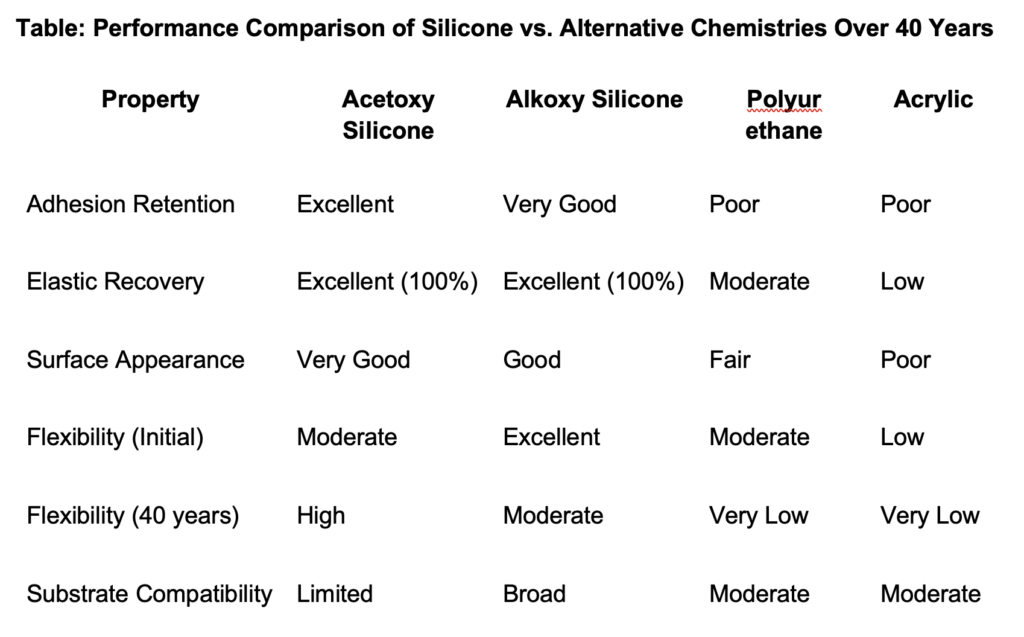
Silicone sealants consistently outperformed polyurethane and acrylic alternatives. They retained flexibility, maintained adhesion to substrates, and preserved a more intact surface appearance than the other chemistries tested. By contrast, polyurethane and acrylic sealants showed significant cracking, adhesion loss and hardness changes, indicating material breakdown that could compromise waterproofing performance in roofing applications.
Key Takeaways for Roofing Applications
Although the test focused on sealants, these same chemistries are used in popular roof coatings available today.
- Adhesion Retention
Silicone maintained strong bonds to painted aluminum, even after 40 years, with many samples showing cohesive rather than adhesive failure. In roofing, this means the sealant stayed attached to the substrate, even if the material itself eventually degraded. Polyurethane and acrylic products were far more prone to adhesive failure. - Elastic Recovery
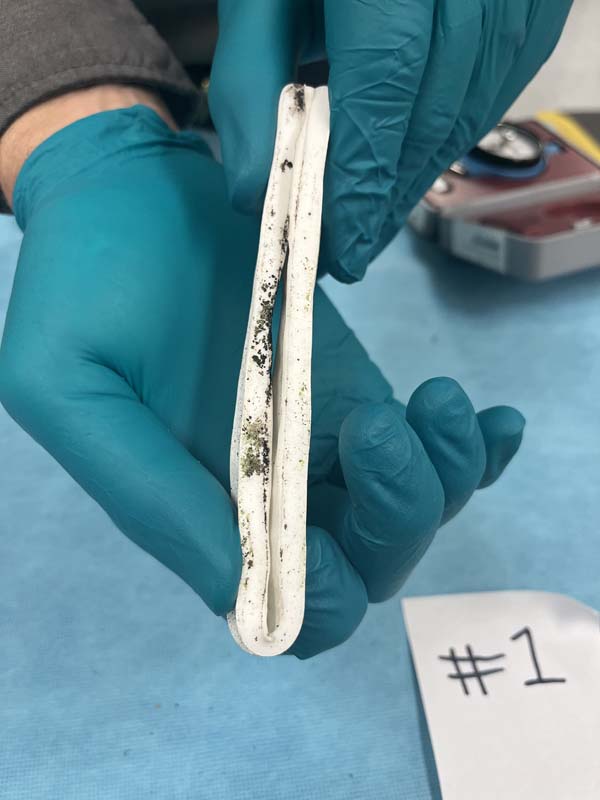
Many silicone sealant samples still demonstrated 100% elastic recovery after a 180° bend test – a remarkable property after four decades. This flexibility is critical on roofs, where materials constantly expand and contract with temperature changes and building movements. Loss of flexibility is a common cause of roof coating cracks over time. - Surface Stability
Silicones resisted UV damage better than acrylic and polyurethane. While some dirt pickup was observed (inevitable in outdoor exposure), the underlying material remained intact and functional. In polyurethane and acrylic samples, surface cracking and chalking were common, both of which can signal a breakdown in waterproofing.
Why Choose Silicone Roof Coatings?
Momentive’s 40-year study highlights the undeniable benefits of silicone over polyurethane and acrylic alternatives in sealants, and these same properties make them the clear choice for long-term roof protection on both flat and low-slope systems. Sealants and coatings are often the first line of defense against water penetration, and silicone-based solutions consistently deliver outstanding weather resistance.
Key advantages include:
- Weather resistance – Withstands UV radiation, humidity and temperature fluctuations without degradation or embrittlement.
- Exceptional flexibility and recovery – Maintains elasticity and resists cracking, even after decades of exposure.
- Long-term adhesion – Keeps a secure bond with substrates such as galvanized steel, aluminum and copper, preventing leaks.
- Chemical stability and safety – Alkoxy silicones release non-corrosive alcohol, making them compatible with a wider range of materials.
- Sustainability and cost-efficiency – Extended service life reduces waste, material use and the need for recoating or repairs, supporting green building goals such as LEED certification.
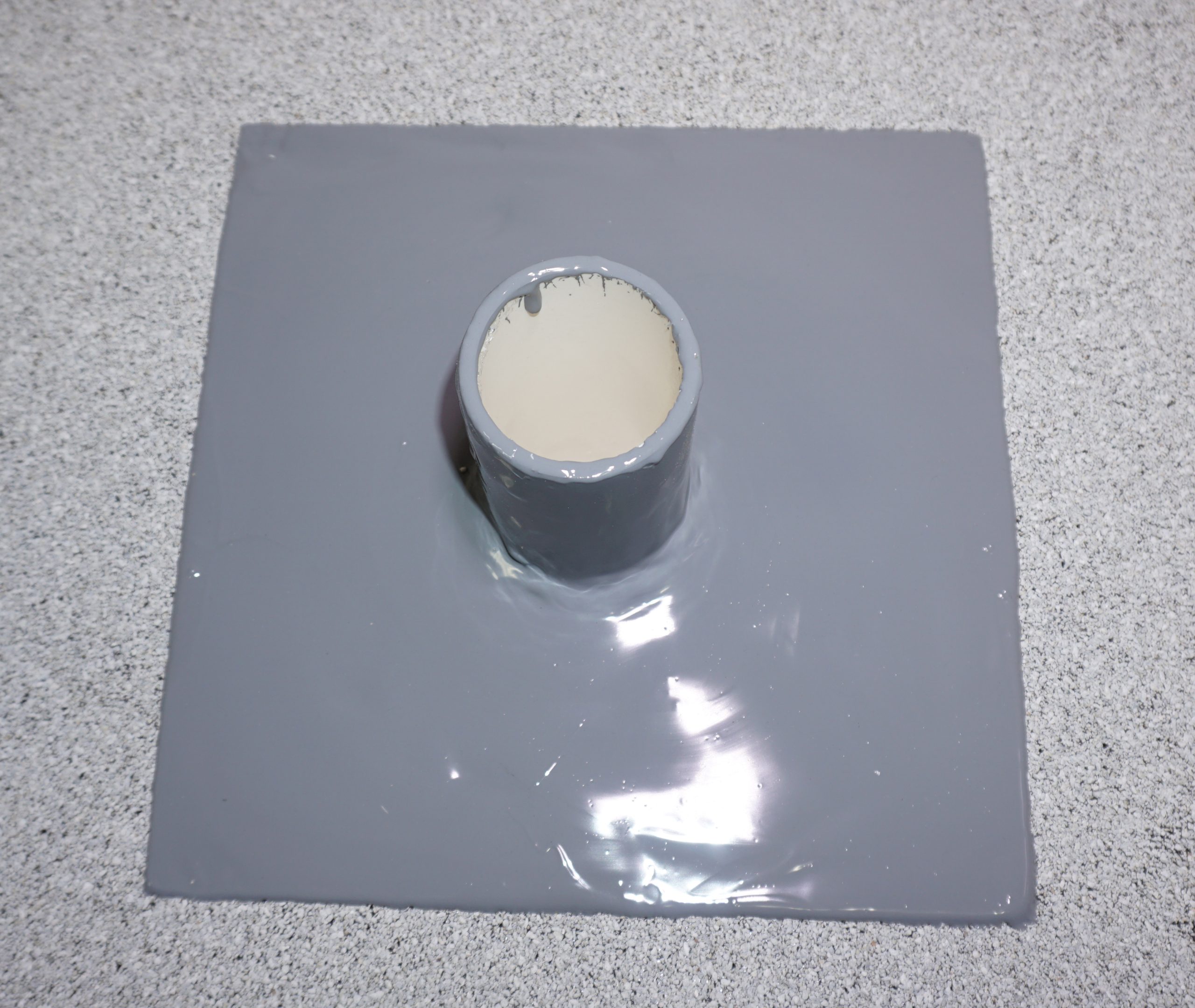
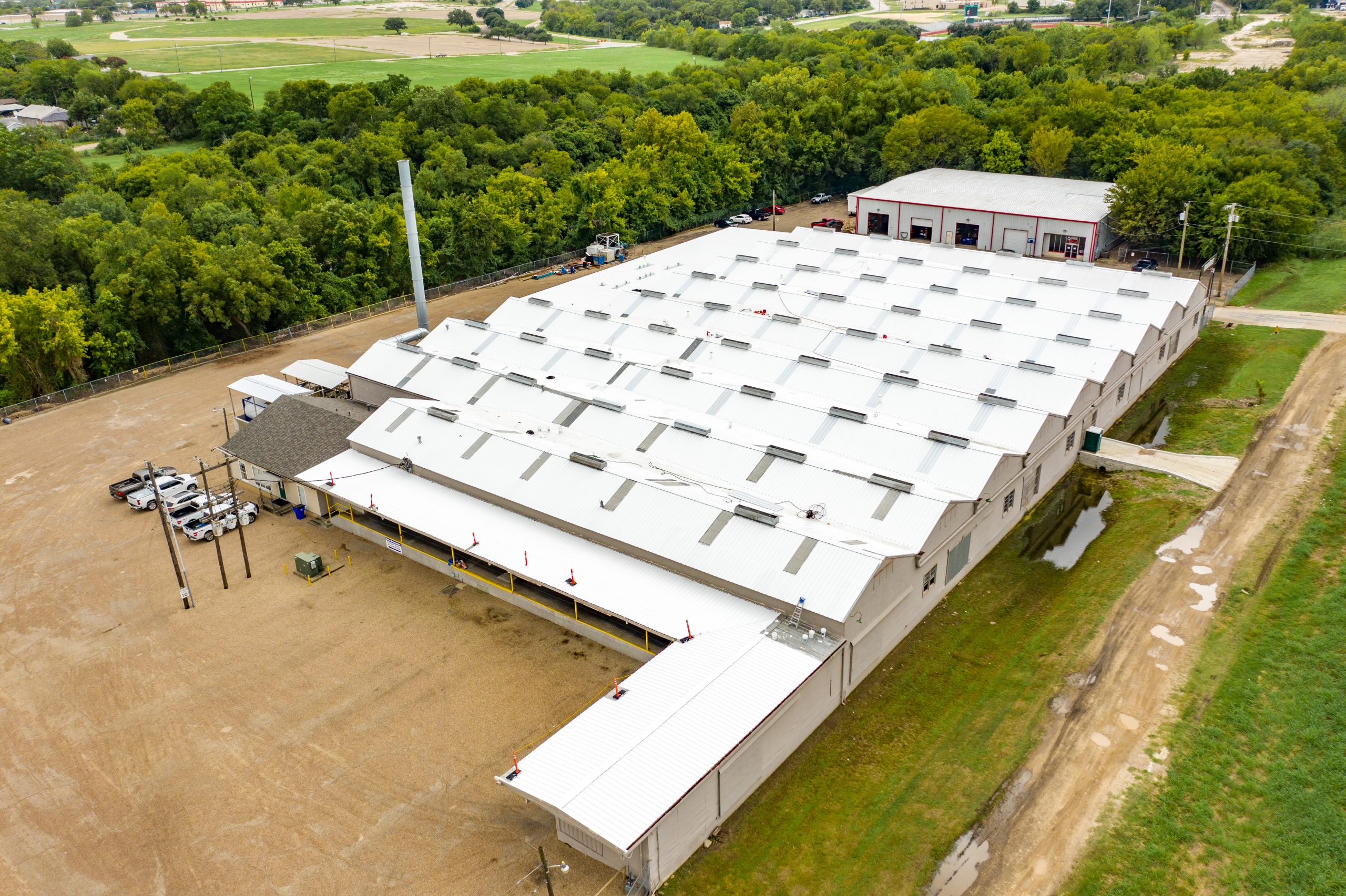
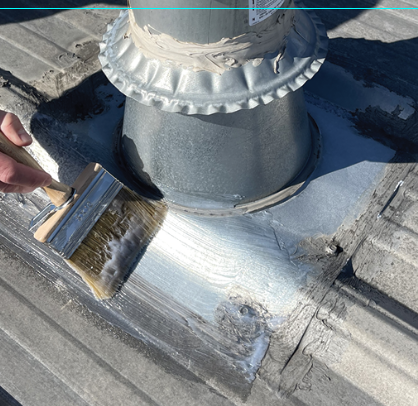
The same proven chemistry found in high-performing sealants is also used in 100% silicone roof coatings, which offer exceptional adhesion to aged substrates, permanent flexibility for thermal movement and resistance to ponding water.
Why Real-World Testing Should Inform Specifications
Specifications too often rely solely on accelerated weathering data, which, while useful, can’t replicate the unpredictable conditions of true outdoor exposure.
This test offers an unparalleled insight into how materials truly age. For roofing consultants, facility managers and specifiers, this information can guide smarter material choices that protect the roof and the budget over the long haul.
Conclusion: Setting a New Standard for Roofing Performance
After 40 years in one of the harshest climates, silicone sealants have proven their ability to deliver long-term adhesion, flexibility and surface integrity unmatched by polyurethane and acrylic competitors.
For roofing professionals, the takeaway is clear:
- Silicone chemistries, particularly high-quality acetoxy and alkoxy formulations, offer reliable long-term waterproofing performance.
- The right silicone product can significantly reduce maintenance costs and extend roof life.
- Real-world data like the Momentive Outdoor Weathering Test is invaluable for future-proofing roofing specifications.
In an industry where the term “weathering the storm” is both a literal and figurative challenge, silicone stands as a proven, science-backed choice for protecting the roof, arguably the most important part of the building envelope.
About Momentive
Momentive’s silicone solutions for building envelopes include high-quality sealants and coatings designed to extend life and enhance the performance of buildings worldwide.
Enduris™ roof coatings extend roof life in even the most demanding environments, protecting flat roofs from dramatic temperature extremes, daily UV exposure, and water. The 100% silicone formula is stable, resilient, and flexible, allowing the coating to expand and contract with the roof from day one and for years to come.
For more information, visit:https://siliconesforbuilding.com/
40-Year Test: https://siliconeforbuilding.com/blog/40-years-of-outdoor-weathering-a-real-world-40-year-landmark-study-of-silicone-vs-alternative-chemistries
Test Disclaimer
Performance results will vary depending on several process-related factors. Prospective customers should rely solely upon their own evaluative techniques to determine what processing parameters are attainable and optimal to their specific needs.
About Errol Bull: Errol Bull, P.E., CSI, an Application Development Leader at Momentive Performance Materials Inc. Member: IIBEC, ASTM C24, ISO TC59/SC8
With over 25 years of global experience in construction sealants, adhesives, and coatings, Errol is an expert in structural glazing, sealant performance. He holds a Bachelor of Science in Architectural Engineering and a Master of Science in Civil Engineering.