Originally Published as: Solar Training: Expand Your Services with Solar
Opportunities have been expanding in the solar energy arena due to a resurgence of interest in solar energy in the last few years. Many people are interested in solar energy as a way to lower their energy bills and as a green source of energy, and as long as there is a demand, someone will fill that demand. The question is who will reap the benefit? There is definitely an opportunity for the guy who is already up there building the roof to take a piece of the pie.
Of course, no one should jump blindly on any opportunity; a contractor must consider his situation in regard to many things. Can his employees absorb the extra work? Can he hire more people to handle solar installation? Does he have the bandwidth to take on another trade to supervise? Is there room in the budget for some investment into the resources to bring this about? Certainly these are not all of the questions a contractor might ask before deciding to take on solar, but we are going to focus on one of the most fundamental questions: where can a contractor obtain the necessary training for himself and/or employees to take this on?
Why Roofers are a Natural Fit
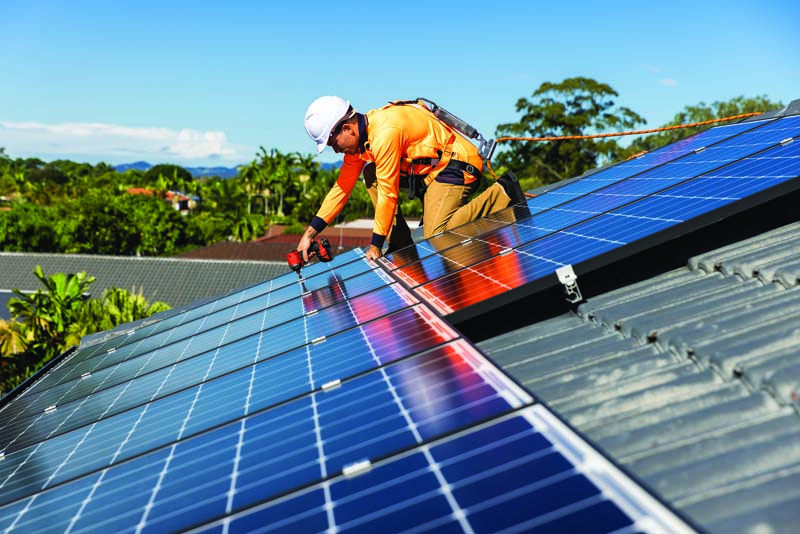
Roofers build roofs, so it seems most natural that they would incorporate the portion of the solar system that is on the roof into the build. This is where roofers may be able to use some of their current skills:
- Assessing roof suitability. Experienced roofers have some background in assessing roof conditions, as well as material compatibility which may be applied to solar mounting.
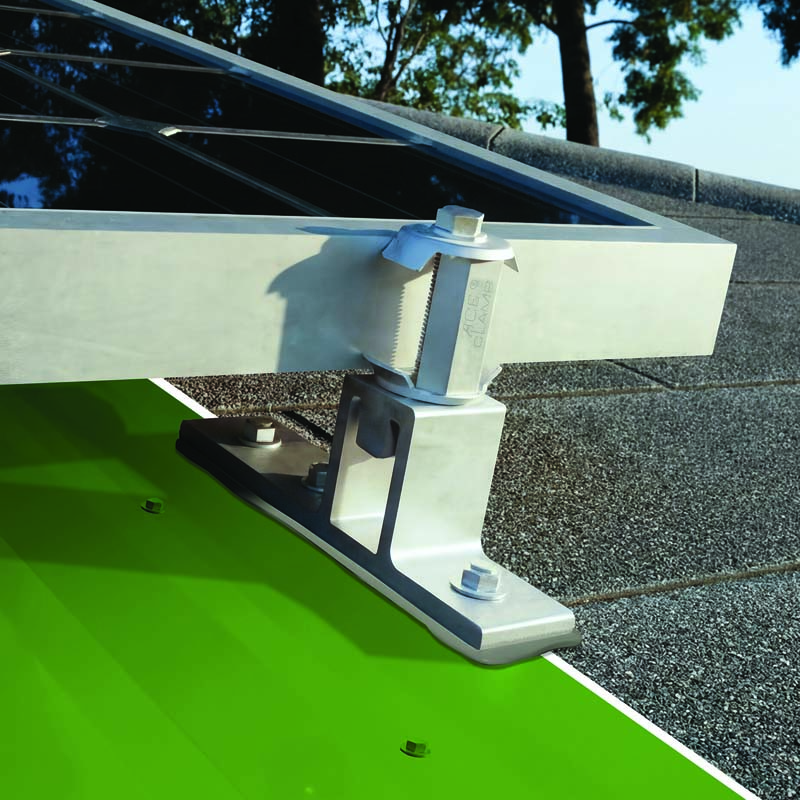
- Installing racking systems and flashing. They ensure watertight roof penetrations and structural integrity as part of the job.
- Coordinating array layout, planning panel placement for both performance and aesthetics.
Penetration sealing and weatherization are natural parts of the roofer’s skillset while solar system installers may not have as much background in these things.
Meanwhile, ensuring well-sealed penetrations is something roofers already specialize in, and many of the problems in roof solar systems come from mounting errors and poorly executed roof penetrations.
Choosing the Right Path
Before exploring the training opportunities, an educational goal may be in order. After all, if a roofer is going to do the job from top to bottom, they could go so far as becoming a fully trained electrician. However, many may prefer to start with a lower goal in mind.
- If you want to dip your toe in, start with manufacturer programs and keep electrical work subcontracted.
- If you want to add credibility and close more jobs, earn the NABCEP PV Associate credential.
- If you want to be a full-service solar contractor: Combine NABCEP credentials with advanced training and in-house expertise.
No matter which route you choose, starting small and scaling up is a smart way to protect your bottom line while meeting customer demand.
Start Small: Manufacturer Training
If you’re not ready to dive into the deep end of solar, start with what you know best: roofing. Many major roofing and solar manufacturers now offer training specifically for roof-integrated solar. Here are some examples:
- GAF Energy Solar Roofing: Available to GAF-certified contractors, this training teaches roofers to install GAF’s solar shingles alongside their standard roofing products.
- CertainTeed Solstice: Contractors can add CertainTeed’s solar solutions through a short training program.
- Tesla Solar Roof: Training available for those who are part of the Tesla Certified Installer Program, but it sets the bar for advanced roof-integrated solar.
Manufacturer programs are often free if you are certified in the company’s roofing system or low cost, and they can give you the confidence to start offering solar-ready roofs to your clients.
Build a Foundation: Industry Credentials
Once you’ve tried product-specific training, the next step is earning an industry-recognized credential. The North American Board of Certified Energy Practitioners (NABCEP) offers the PV Associate exam, which covers the fundamentals of solar technology, safety, and design.
The time commitment is about 18-40 hours of study. These credentials add credibility to your service and reassure homeowners you know what you’re doing
For many roofers, the NABCEP Associate is the entry ticket into solar.
Hands-On Training Options
Roofers who want to go further can find hybrid or in-person programs:
- Solar Energy International (SEI) offers online and in-person courses with NABCEP-aligned curriculum.
- HeatSpring offers online training and NABCEP prep.
- Midwest Renewable Energy Association (MREA) offers courses in-person or online to prepare students to take the NABCEP exam.
- SkillMill by Interplay Learning offers simulation-based training that roofers can complete from their laptops or VR headsets.
- Apprenticeship Programs & Technical School Pathways (IBEW, Community Colleges) may have solar installer tracks in their electrical and construction courses. If you want a more traditional path, many technical colleges and union apprenticeship programs (IBEW/NECA) are adding solar training modules to their electrical and construction courses.
- Some states (e.g. California, Illinois, New York) are pushing solar workforce development through trade schools.
- IREC Accredited Training Directory: www.irecusa.org may offer other training options.
Long-Term Investment: Becoming a NABCEP Certified Installer
Roofers who see solar as a major part of their future may want to pursue NABCEP’s PV Installation Professional Certification. This is a higher-level credential that requires documented solar installations, advanced coursework, and a proctored exam. It’s not for everyone, but for contractors who want to fully integrate solar into their business model it’s the gold standard.
Final Word
Adding solar doesn’t mean reinventing your business. It means expanding your roofing expertise into a growing market where customers are looking for trusted contractors. Roofers are already on the roof, so it makes sense to own the solar conversation too.
Training Resources
Manufacturer Training
- GAF Energy Solar Roofing: www.gaf.energy
- CertainTeed Solstice: https://www.certainteed.com/solar-education-credentials
- Tesla Solar Roof: https://www.tesla.com/partner-with-tesla
Industry Credentials
- NABCEP PV Associate & Installer Certifications: www.nabcep.org
Training Providers
- Solar Energy International (SEI): www.solarenergy.org
- HeatSpring: www.heatspring.com
- Interplay Learning (SkillMill): www.interplaylearning.com
Apprenticeships & Schools
- IBEW/NECA Training Centers: www.njatc.org
- Local community colleges and technical schools (check regional offerings)