Originally Published as: Solar Training: What It Doesn’t Teach You But You Need To Know
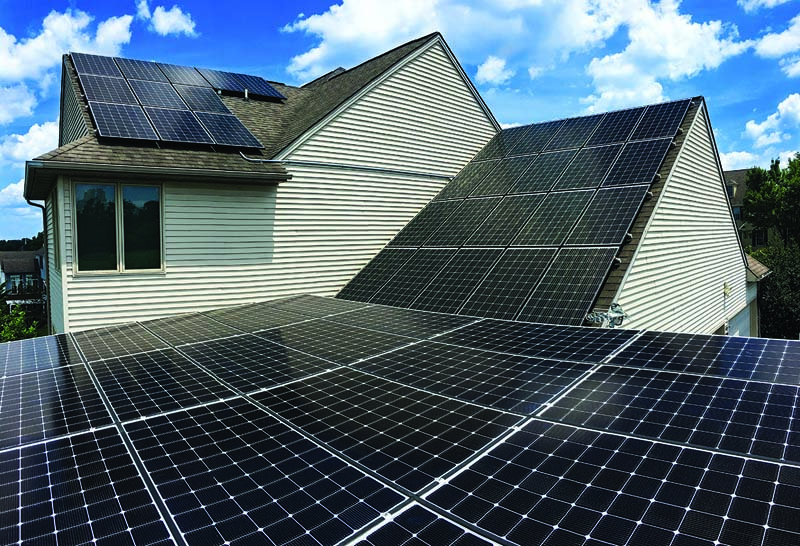
Ben Zook is the founder, owner, and NABCEP Certified Master Electrician at Belmont Solar, a solar panel installation company based in Gordonville, Pennsylvania.
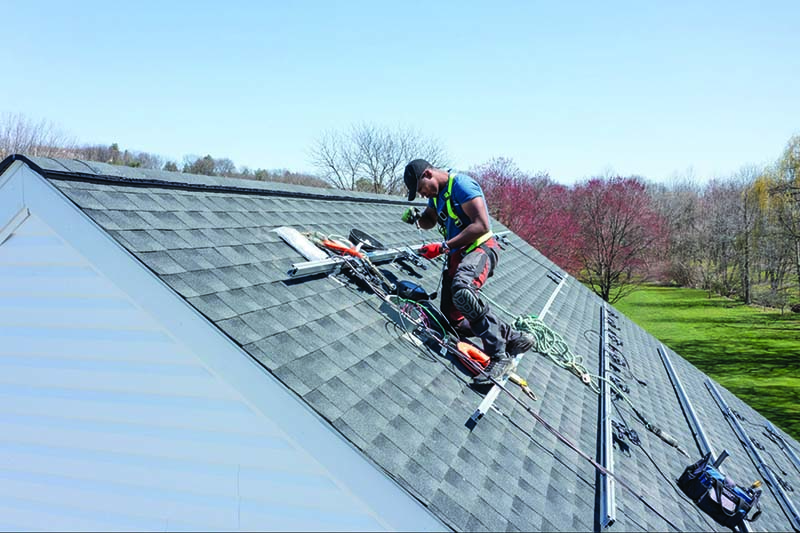
There are some things you can only learn on a roof, elbow-deep in a circuit board, or buried in row 1000+ of an Excel spreadsheet. In the solar industry, as in many trades, experience often outpaces education.
The truth is, school doesn’t often teach character. Yet the key characteristics of a good worker, whether a roofer, a solar panel installer, or otherwise, remain the same: work ethic, perseverance, and integrity.
Hands-on Experience
I began working at age 12. When I was young, I learned woodworking, painting, and varnishing, all of which showed me the value of paying attention to detail. Eventually, I worked on a farm and in a hardware store. Growing up in an Amish family proved to be the best preparation for running my own business. Spending time working gave me the knowledge and work ethic required to have a successful business and help bring solar energy to my community.
Education isn’t everything. No amount of classroom time or training can fully prepare you for the curveballs of the real workday or teach you the satisfaction of a hard day’s labor.
Solar was hardly in existence when I went to school, and my lifelong interest in electricity began with electrical circuits and battery-run lighting. That curiosity helped, but it wouldn’t have gotten me anywhere without a solid base of work experience.
Now that I run a business, it’s common to see people with great resumes and the right education, yet lacking the first-hand experience, practical thinking, or troubleshooting instincts you need in this industry. Education provides a great start, but experience shapes resilience, and resilience is what keeps a business alive.
Framing the Gaps
With my experience and passion for electricity, I wanted to further my education and earn a degree, so I chose an associate degree in electricity. I had imagined school would change or improve everything, but it didn’t cover even half of what I needed to know.
Persistence and hard work got me further than any certificate could. I also had to learn humility, the wisdom of listening to others, and the importance of following directions, because to be a good leader, you must first be a good follower.
These are skills and lessons that school can’t necessarily teach. In the workplace, we must find the motivation within ourselves to navigate challenges; rarely is success as simple as finding the right answer or turning in a paper.

Beyond the Classroom
Perhaps the biggest lesson I’ve learned, both in school and since, is that real learning doesn’t start or stop in a classroom.
That mindset is something I try to bring to every aspect of my work. After earning my master electrician’s license two years ago, I continued pursuing certifications. Still, the most valuable lessons came from job sites, not textbooks.
Here are a few key things you can’t just get from the classroom:
- Building and implementing systems. Learning how to create clear systems ensures that everyone on your team can, for example, quote a job consistently based on company expectations and policies.
- Pricing with precision. Establishing and maintaining a company pricing guide or handbook is essential. You have to review it diligently and understand not just what the numbers are, but why they are.
- Setting and following guidelines. It’s one thing to have standards in place; it’s another to review, revise, and uphold them as your business evolves.
- Navigating real-world curveballs. From unexpected site conditions to logistical challenges, you learn quickly that flexibility and strong systems make all the difference.
Mentors
If there’s one thing I’d wish for everyone, it’s to have a trusted business mentor.
I’ve been blessed to find a group that meets monthly, where we challenge each other and hold ourselves accountable on our goals, mission, and values. Even just saying your goals out loud can keep you and your business moving in the right direction.
Wise counsel is invaluable. The Bible teaches us this. This can come from someone as simple as a trusted friend or elder who helps you see challenges from a different angle.
However, I would advise always being careful about who you learn from. The values you set for yourself will be reflected in the people you seek advice from.
The Biggest Surprise
Perhaps the biggest surprise after starting a business is how much of my job is actually education.
I thought everyone would be eager to adopt solar, simply because it makes sense; solar energy often costs less than traditional utilities. But I quickly learned that people aren’t always aware of what’s possible.
One of the setbacks the solar industry faces is a lack of education or general awareness. The more confidently you can talk about your work and invest in spreading knowledge, the more you fill knowledge gaps for your customers before they even arrive at your business.
Troubleshooting
One of the best classes I took in school was called “Troubleshooting.” The philosophy behind it was to be prepared for any problem that could come your way. Holding onto that mentality, hoping for the best, preparing for the worst, and expecting surprises has been key for me.
As long as you have the resilience to stay on your feet, change and adapt, react with calmness, and the experience to know when to take risks, you can be prepared to meet challenges with confidence.
The #1 Lesson – Do It With Love
If I can impart one lesson I’ve learned outside of the classroom, from my entire experience in this industry, it is this: to do it with love.
Love your clients, love your mentors, love your teachers, and love the process. Loving people and learning to trust the good ones can take you just as far (or farther) than any diploma.
How to Be the Company Your Clients Choose
At the end of the day, homeowners buy more than a product or service; they choose the people they trust to do the work. What sets a company apart is trust and integrity, clear values, commitment to problem-solving, longevity, and strong communication.
For us, Belmont Solar’s mission statement, “To provide solar power, with workmanship, trust, and friendship,” tells our clients what we stand for. Yours will be different, but what matters most is how you connect with customers and build a relationship based on trust.
If you’re considering solar training or a new career in solar, my advice is this: find something you’re passionate about and will love for the long haul. If that’s solar training, then I can say, with good authority, to expect it to be a lot harder, but also more rewarding than you ever expected.