Originally Published as: Perfect Seal: The Right Sealant for the Job
Match the chemistry to the material and the detail
A tube of sealant may be a small part of a roofing job, but choosing it deserves more attention than a quick check of the color. The product must bond to the materials in the joint, withstand the conditions on the roof, and remain effective as those materials move. A sealant that performs well inside a compressed panel lap may be a poor choice for an exposed flashing edge.
Roofers have several chemistries to choose from, including silicone, polyurethane, polyether and other hybrids, butyl, acrylic, and asphalt-based products. Understanding their differences helps narrow the selection. The final decision comes down to the specific product and its compatibility with the roof.
Will the Seal Hold?
A sealant needs both adhesion and cohesion. Adhesion keeps it attached to the adjoining surfaces; cohesion keeps the material itself from pulling apart. A bead can fail by separating from the roof material or by tearing through its own body as the joint moves.
“The right choice depends on the roof material, joint movement, exposure, and the roofing-system manufacturer’s requirements,” said Don Bratcher, VP of OEM Sales, Atlas Building Products.
Many liquid-applied sealants cure into flexible barriers through moisture, chemical reaction, solvent loss, or water evaporation. Non-curing butyl products behave differently. They remain tacky and form a seal when compressed between overlapping materials. In either case, the sealant must maintain contact with the surfaces it is protecting. It does not take the place of the fasteners, flashing, or other components that make the assembly work.
Understanding the Chemistries
Silicone is a strong candidate for exposed details because it resists ultraviolet light and temperature extremes while remaining flexible. Metal-rated neutral-cure formulations are among the options for metal roofing. Silicone usually cannot be painted, however, and adhesion must be verified for the particular substrate. Its presence also matters during future coating work because some coatings will not adhere over cured silicone.
Polyurethane offers strong adhesion, toughness, and paintability. Weathering performance varies by formulation, and some products need protection from prolonged UV exposure. Contractors should check whether the selected product is intended for an exposed roof detail rather than assuming every polyurethane will perform the same way.
Polyether and other hybrid sealants combine characteristics that make them useful across a variety of details. Many offer broad adhesion, flexibility, good weathering, and paintability or color options. They can be practical choices where a contractor works with varied materials, but the hybrid label does not establish compatibility or performance by itself. The technical data for the individual product still governs.
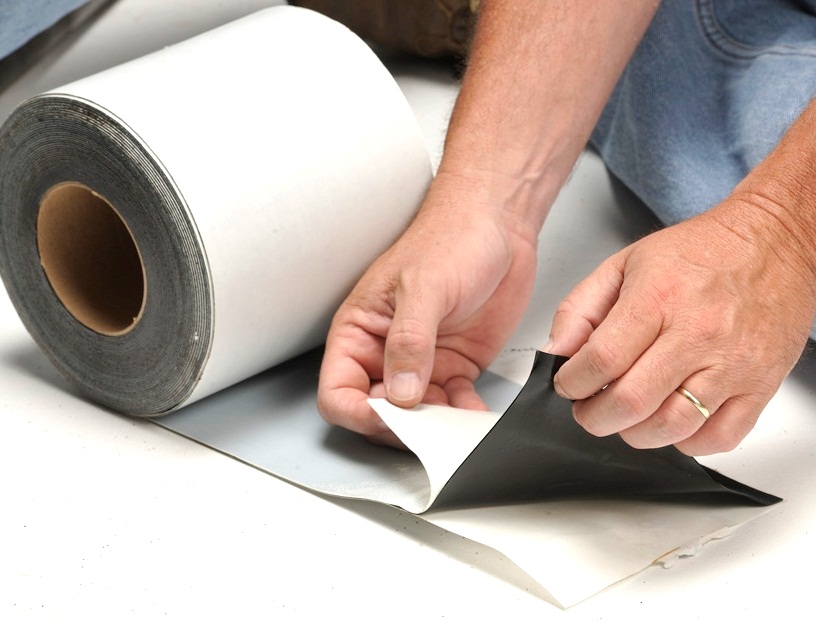
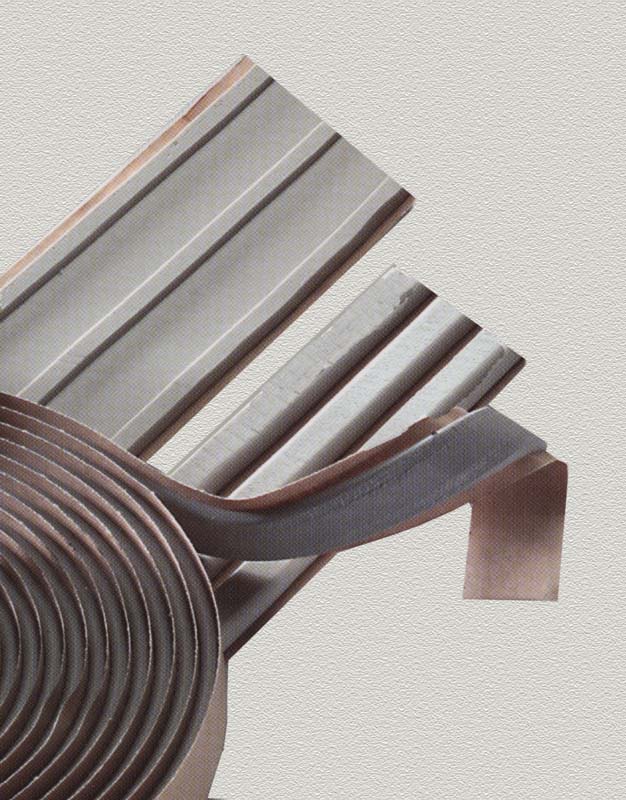
Butyl is especially useful in concealed, compressed joints. Tape provides a continuous strip of controlled thickness between overlapping panels or flashing components. Non-curing butyl is also available in tubes. These products remain pliable as the adjoining materials move, but they generally are better suited to protected laps than to exposed joints requiring the weathering and movement performance of a cured elastomer.
Acrylic sealants are generally easy to tool, clean up, and paint. Water-based versions can shrink as they dry and are typically better suited to lower-movement applications without ponding water. Asphalt-based mastics are intended primarily for asphaltic roofing and repairs. Their oils can stain adjoining materials, and compatibility with membranes, coatings, and other sealants needs to be checked.
Start with the surfaces
“Pay attention to adhesion needs,” said Josh Krohn, Engineering Services Manager, Triangle Fastener. “That starts with identifying everything the sealant will touch, including the roof surface, factory finish, flashing, boot, and any existing coating or sealant. They all need to be compatible.”
Compatibility means that the products can remain together without damage or loss of performance, as well as bond initially.
Painted metal deserves particular attention. A product that adheres well to bare steel may behave differently on a factory coating. PVDF finishes, often identified by the Kynar name, can be challenging bonding surfaces. Use a product approved for that finish, follow its preparation requirements, and conduct an adhesion test.
For EPDM, TPO, and PVC roofs, consult the membrane manufacturer’s approved products and details. Depending on the system, the work may call for a specific primer, tape, lap sealant, or accessory. Thermoplastic seams are normally heat-welded; caulk does not replace that connection. Solvents in an unsuitable sealant can also damage membranes or nearby insulation components.
Asphaltic materials require the same care. A product suited to metal may not cure or age properly against asphalt, and asphalt oils can migrate into adjoining materials. Concrete can introduce dust, moisture, and loose material.
Allow for roof movement
Metal panels expand and contract as their temperatures change. Connections between dissimilar materials may experience different amounts of movement, putting additional demand on the sealant. The bead needs sufficient flexibility, bonded area, and appropriate dimensions to accommodate that movement.
Movement ratings are more useful than judging a product by how stretchy it feels. Review the manufacturer’s stated movement capability along with adhesion, service temperature, and exposure limits. A high elongation number alone does not establish how a particular joint will perform. Joint design and the conditions under which the sealant was tested matter, too.
Choose for the detail
Concealed panel laps often favor butyl tape or non-skinning butyl because mechanical fastening compresses the material into a continuous seal. Tape works best where the surfaces and connection allow uniform compression. An irregular gap or exposed termination may instead call for a compatible liquid-applied sealant.
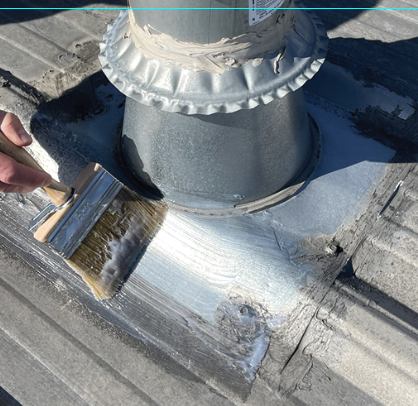
Exposed flashing edges, transitions, and roof boots need a product approved for both adjoining materials and the expected weather exposure. A penetration should have the appropriate boot or flashing assembly, with sealant applied at the points designated in the installation detail. Similarly, sealant over a fastener head will not correct a loose, overdriven, or improperly installed fastener.
Slope also affects the demands on the detail. Steep-slope assemblies rely on properly arranged panels, shingles, and flashing to shed water. Low-slope roofs may drain more slowly and experience temporary ponding, making approval for the expected water exposure particularly important. Follow the roof-system requirements for seams and penetrations rather than substituting a general-purpose sealant for a specified component.
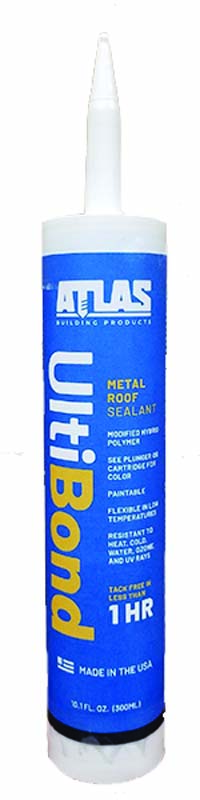
Sometimes specifiers have made the mistake of becoming familiar with a specific brand, using it as their go-to without looking at it closely, and experiencing the consequences. For example, Atlas offers its Ultibond metal-roof sealant in a translucent neutral-cure silicone and color-matched polyether formulations. The two chemistries have different performance profiles despite sharing a product name. That distinction illustrates why contractors should check the exact version being ordered rather than relying on brand familiarity.
Preparation and application count
Even the right chemistry needs a suitable surface. Remove dirt, oil, corrosion, loose coating, and old sealant as required by the product instructions. The substrate should be sound and meet the manufacturer’s moisture and primer requirements before application.
Temperature affects how easily a sealant extrudes and its malleability, as well as how quickly it skins and cures. Cold can make a product harder to dispense, while heat can shorten working time. Moisture-curing products also depend on humidity, and a thick application may cure slowly below the surface.
“A lot of people think more sealant is better,” Krohn said, “but excess material can create problems when the bead becomes too deep to cure properly or doesn’t move as intended. Follow the specified bead dimensions rather than filling every available space.”
Where the joint design requires it, a backer rod can control sealant depth and prevent adhesion to the bottom of the joint. Bond-breaker tape can also prevent that unwanted third bond. A sealant attached on three sides cannot stretch as freely between the two surfaces that are moving.
“Correct bead geometry is essential because even a high-performance sealant can fail if the joint is too thin, bonded on three sides, contaminated, or subjected to more movement than it is rated to handle,” Bratcher explained.
A tack-free surface does not necessarily mean the bead has cured throughout. Allow the specified curing period and protect the application as directed. Before leaving the detail, check for continuous contact and missed areas, leaving a properly formed seal that can do its job through the roof’s movement and weather exposure.
Resources
- Don Bratcher, VP of OEM Sales, Atlas Building Products, https://www.marmonfasteners.com
- Josh Krohn, Engineering Services Manager, Triangle Fastener Corporation, https://trianglefastener.com/